Dedicated to the Protection and Study of Marine Life and the Coastal Ecosystems
About The Coastal Stewards
For over forty years, we’ve been at the forefront of marine life appreciation and conservation, inspiring a burning desire to protect our planet. Our roots are in education, where we began as humble teachers with a grand vision: to inspire young minds by connecting them directly with the wonders of our coastal ecosystems.
We’ve since evolved into a cornerstone of our community, steadfast behind the scenes in our dedication to environmental stewardship.
Our initial step was launching the Gumbo Limbo Nature Center in South Palm Beach County, transforming it into a hub of exploration and enlightenment. Our efforts in sea turtle rehabilitation have been nothing short of miraculous, cementing our role as protectors of these majestic creatures and the delicate balance of our coastal environments.
Facing challenges head-on, we’ve remained resilient. Now, we’re set to amplify our impact. We invite you to join us to do more, ensuring the continuity of our collaborative mission for a healthier planet.
We invite you to join us on our journey to support the conservation and research of our marine and coastal environment, and perhaps most importantly, inspire the next generation to take ownership and make it a better future for us all.
Youth Council
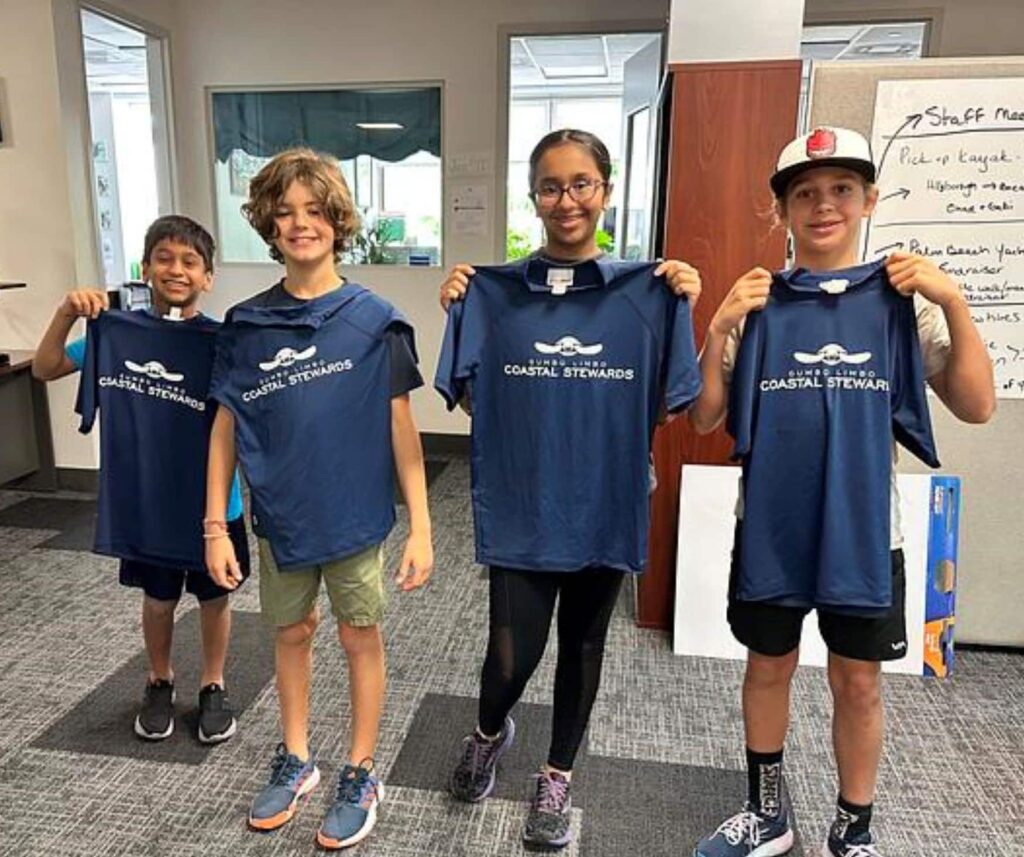
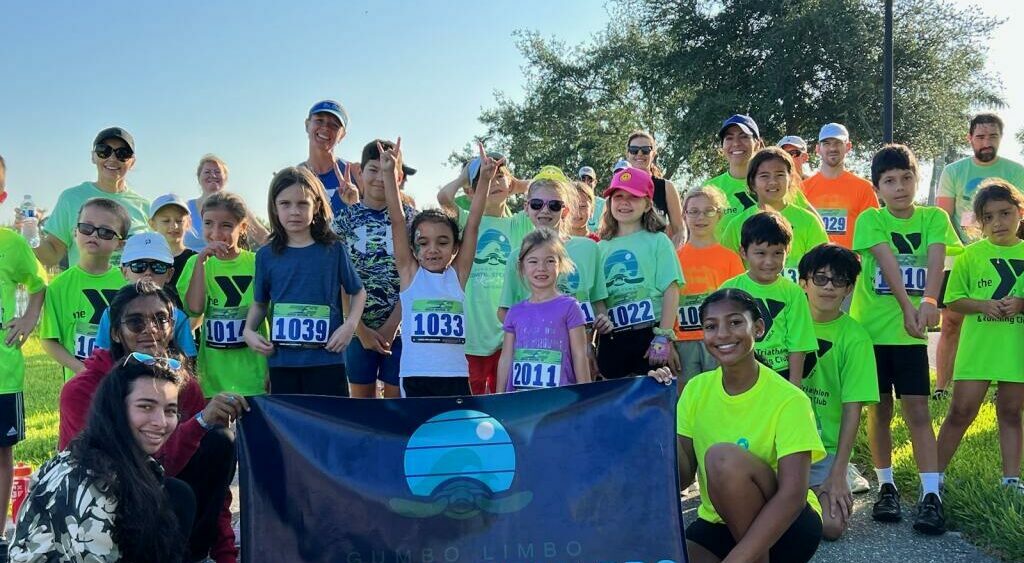
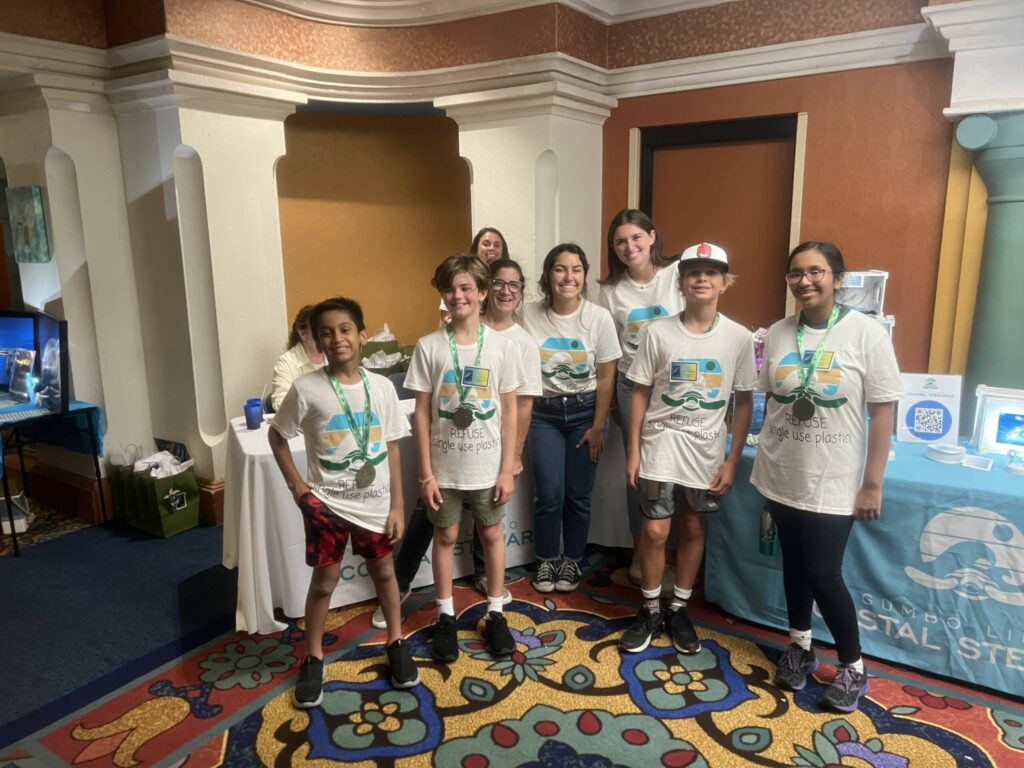
The Coastal Stewards Youth Leadership Council was formed in 2023 to help conservation efforts by raising awareness about environmental problems and encouraging the community to help make a positive impact on the Earth.
Our mission: We aim to help marine life conservation efforts by raising awareness about environmental issues and encouraging the community, especially our fellow youth, to get involved and help make a positive impact on our ecosystem.
Our vision: Our vision is to create a world where humans and animals can live in harmony, a world in which kids’ ideas are respected and valued, and where kids are recognized for their passion, their heart, and their capability of doing big things, even if they are little.
Our goal: The Coastal Stewards Youth Council’s goal is to prepare future Coastal Stewards to continue conservation and education efforts for a healthier, greener world.
Meet the Coastal Stewards Youth Council Founding Members: Aditya, Luca, Anya and Caleb!
Youth Council Officers:
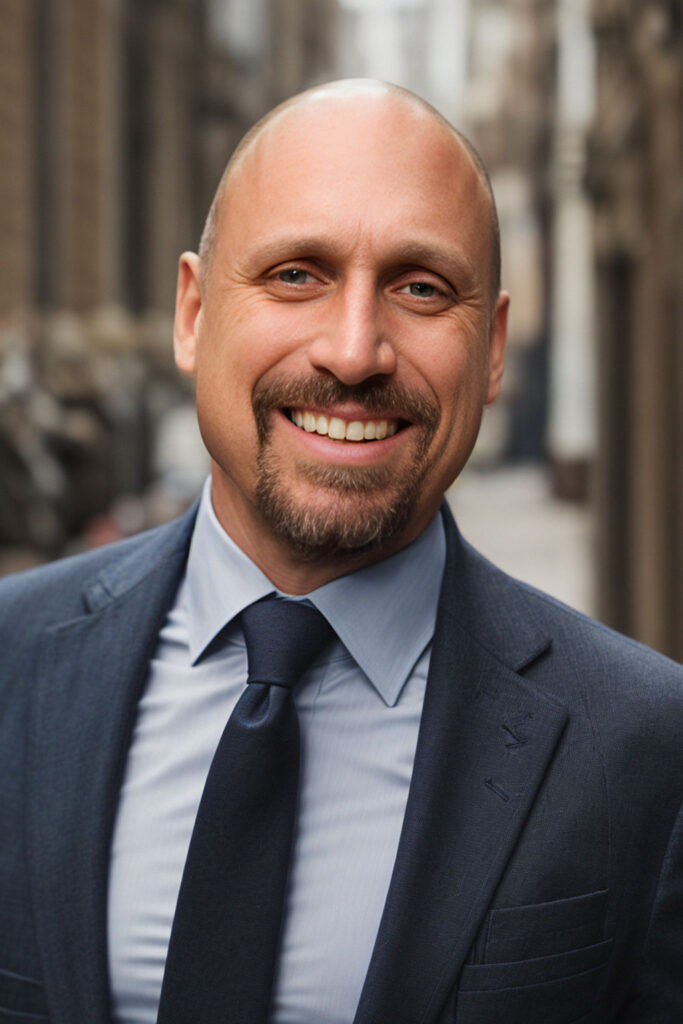
Aditya: Aditya Gupta is a 9-year-old passionate environmentalist, author, artist, and inventor. He dreams of creating inventions that can help change and save the planet. He has a passion for all wildlife and has his own organization: The Wildlife Protectors. He is excited to be a part of the Youth Leadership Council of The Coastal Stewards and is excited to be helping wildlife along the way. And loves to help out in any way he can.
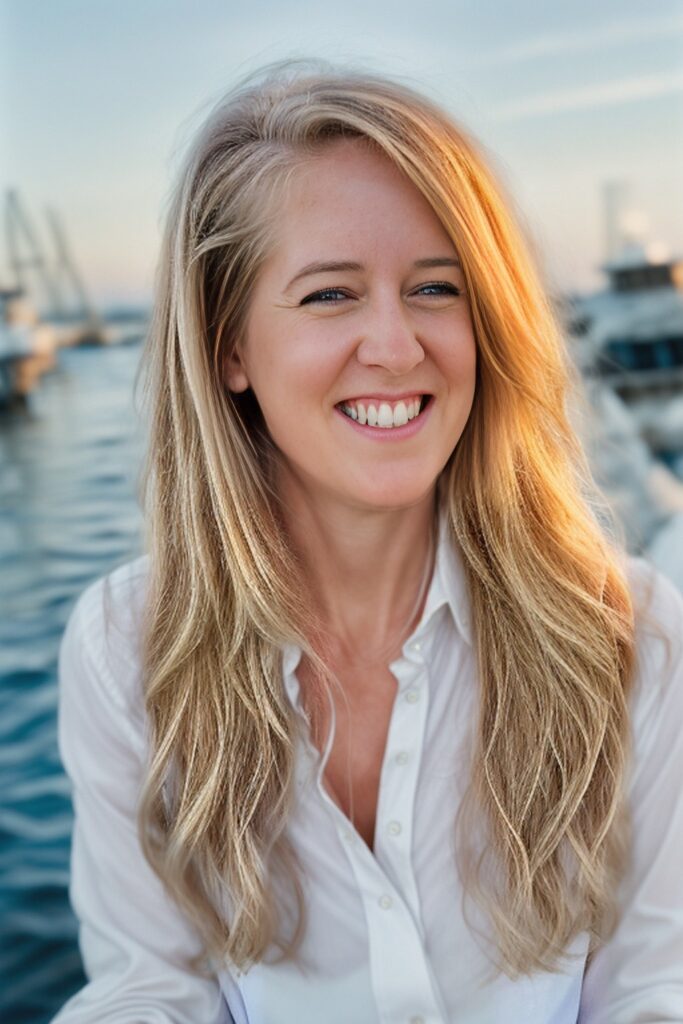
Luca: Luca Vendemini is a 10-year-old who has been concerned about the well-being of animals since he was only 3. He is the youngest Parley for the Oceans Ambassador. Being part of Ocean Uprise, he is constantly volunteering and fundraising online or during in-person events. His favorite subjects at the moment are Chemistry and Biology. He enjoys playing the piano, bird-watching , practicing Tae Kwon Do, reading graphic novels and playing with his cats Nello and Gio. For fun he likes to swim, bike, play chess and play Minecraft with his friends. When Luca grows up he wants to be a Marine Biologist , or an Environmental engineer.
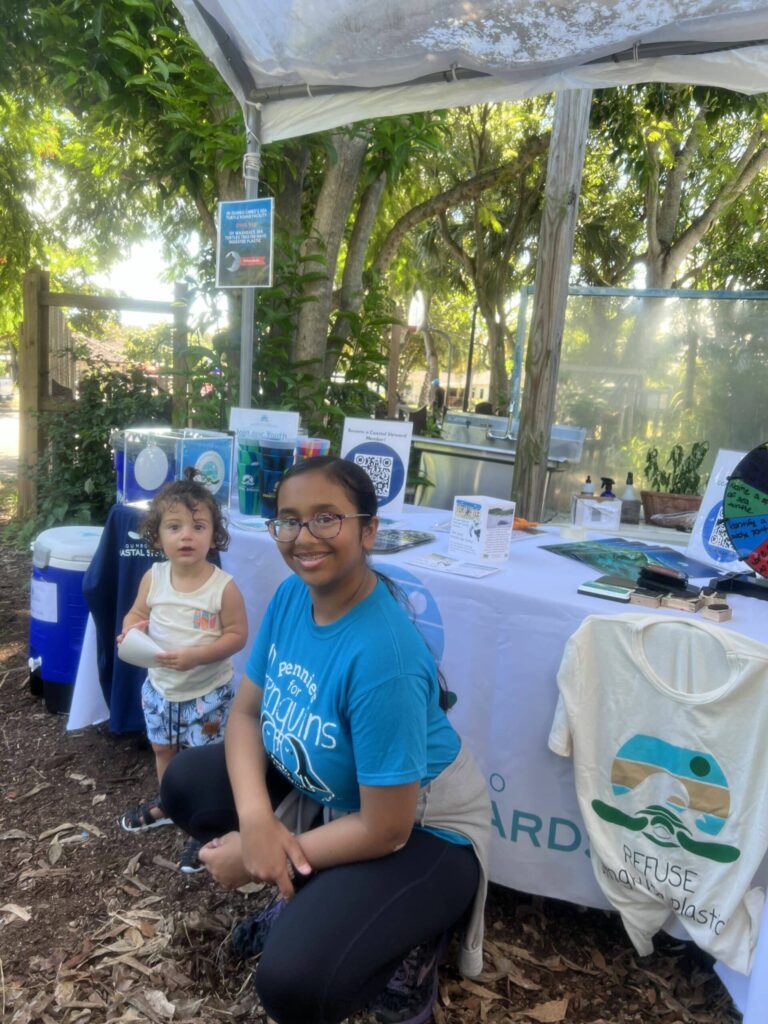
Anya: Anya Gupta is a 12-year-old passionate environmentalist, author, conservationist, and activist. She has a passion for helping penguins and other wildlife thrive in their natural environment and educating others about the dangers of plastic pollution and other human-made problems. She dreams of living in a world where animals can live in harmony with humans and all people are conscious of their impact on the world. You can learn more about Anya’s nonprofit here, and check out her amazing conservation books for kids:
Caleb: Caleb Caponera is a 13-year-old passionate wildlife photographer and conservationist who strives to help all endangered species of the world. He is mainly concerned how many species have gone extinct because of human behavior, which is something that shouldn’t happen. He loves walking through nature, as it gives him a sense of hope, like he experienced when he took a trip to the Galapagos and saw how preserved it was. Caleb is a competitive swimmer for FAA and FAU High and competes at the National level in multiple events. He has also written various songs on the guitar and is working on more. In his free time, he likes to surf, snowboard, and explore the world around him.
Interested in Supporting the Youth Council's Mission?
Sea turtles have existed for 110 million years and yet the species living today face an uncertain future. Habitat encroachment and degradation, pollution, incidental capture in commercial fisheries, and strikes by watercraft are only some of the hazards that sea turtles must face as each species struggles to survive. Hatchlings can belured to their deaths by artificial lights on developed beaches; juveniles and adults may die after consuming discarded plastic bags, balloons, and other marine debris, and turtles of all sizes and ages may be drowned in shrimp trawls and gill nets.
Seagrass
Seagrass is essentialto marine life ecosystems both as a critical habitat and food source. Coastal development and pollution can destroy seagrass beds and freshwater aquatic vegetation. As the main food source for manatees, loss of seagrass can lead to mass starvation. While mainly involved in education, The Coastal Stewards’ long-term goal is to create a seagrass conservation facility to grow and transplant the crucial plants where they are needed in the near future.
Manatees
The manatee is a native species found in many of Florida’swaterways. Categorized by the federal and state governments as a “threatened” species, the main threats to manatees are collisions with boats and the loss of warm water habitat, but also include entanglement in fishing and trap lines, diseases and natural disasters.The Coastal Stewards plan to assistFWC with the rescue and transport of these beloved creatures whenever needed. It is up to all of us to continue to educate the public, especially boaters, fishermen and others enjoying Florida’s waters, on how to avoid harming and help protect our manatees.
Cetaceans
(Dolphins & Whales)
Dolphins and whales are marine mammals that can be found throughout Florida’s waters and beyond. In fact, bottle-nosed dolphins are often closely studied as they are a good indicator of the health of marine life overall. Furthermore, the species of whale known as the North Atlantic right whale – which were hunted to near extinction – have only one known calving groundlocated off the coasts of Georgia and Florida. Threats to the Cetacean populationinclude collisions with large ships, entanglement in fishing gear and habitat degradation from contaminants.
Coastal Stewards Needs
Marine Mammal Emergency Kit
There are few veterinarians who are qualified to assess or treat marine mammals in the state of Florida. However, without the proper equipment, there is little that even the most proficient veterinarian can do in an emergency situation. The Coastal Stewards’ veterinarians are qualified to treat sea mammals, including manatees, dolphins and whales, yet lack the proper equipment to respond to on-site and immediate urgent needs, which can often be life-or-death situations for the animals involved.
Emergency Kit Needs:
Medications
Fluids
Stethoscope
Portable blood gas analyzer
Portable ultrasound
Sea Turtle Hospital
In preparation for the return of sea turtles to the Gumbo Limbo Nature Center, The Coastal Stewards’ sea turtle hospital requires more advanced equipment to stay up to date with the latest in sea turtle medicine, including:
Ventilator: Respiratory monitoring is necessary when anesthetizing sea turtles for medical procedures. Sea turtles lack a muscular diaphragm and actively must recruit muscles on both inspiration and expiration to achieve ventilation. For this reason, many turtles breathe spontaneously by extending their head and neck up and forward while thrusting their forelegs backwards to encourage air movement into their lungs. This muscle activity is lost during anesthesia; therefore, the use of mechanical ventilation is required from a small animal ventilator.
Radiology Machine: Radiographs, also known as x-ray machines, provide critical information that can greatly affect the outcome of rehabilitation efforts. While the Coastal Stewards’ sea turtle rehabilitation center has been equipped with this type of machine, it is in desperate need of an new device as theirs is extremely outdated and no longer eligible for technical support.
Portable blood gas analyzer: Another important piece of equipment, a portable blood gas analyzer will allow rapid blood results when a patient comes in and will also provide important information on the status of the patient during anesthesia.
Portable ultrasound machine: This machine is critical to evaluating the heart and other internal organs of an animal to determine the best treatment plan for that patient.
Heater and chiller: For the turtle pool life support system. With the extreme temperature fluctuations becoming more common with the progression of climate change, the temperature of the ocean water that feeds our system at times is becoming too cold or too warm for the sea turtles. The ability to provide a consistent temperature to the tanks is ideal for creating the best possible environment for the sea turtles to heal.